
Effective Procurement Guide for Carbon Fiber in Marine Applications
In the marine sector, procurement managers and sourcing specialists constantly strive to enhance vessel performance, boost efficiency, and minimize environmental impact. The adoption of carbon fiber materials, which can reduce the weight of vessels by up to 40% compared to traditional materials, is a significant advancement. This procurement guide offers insights into evaluating carbon fiber for marine applications, exploring supplier selection criteria, quality certifications, and strategies for cost optimization. For detailed specifications and sourcing options, refer to this comprehensive guide on see specifications for more technical context.
Key Considerations
- Verify that carbon fiber suppliers offer tensile strengths between 3,500 MPa and 5,000 MPa, suitable for marine conditions.
- Opt for composites that can reduce vessel weight effectively, aiming for up to a 40% reduction.
- Prioritize materials with high corrosion resistance for marine hulls and masts.
- Ensure suppliers have ISO 9001 certification and provide complete COA documentation.
Insights into Carbon Fiber for Marine Use
Advantages of Choosing Carbon Fiber
Carbon fiber stands out in the marine industry due to its exceptional strength-to-weight ratio, making it perfect for enhancing vessel speed and fuel efficiency. Its tensile strength, capable of reaching between 3,500 MPa and 5,000 MPa, combined with its lightweight nature, offers a significant performance advantage. Furthermore, its resistance to corrosion means it can withstand harsh marine conditions over the long term.
Important Technical Criteria
When selecting carbon fiber for marine applications, it is essential to check specifications like fiber volume fraction and resin compatibility. Aim for volume fractions between 55% and 60% to achieve a balance of strength and flexibility. Compliance with standards such as ISO 14125 and ASTM D3039 ensures that the materials meet the necessary mechanical property benchmarks.
- Tensile Strength: 3,500–5,000 MPa
- Fiber Volume Fraction: 55%–60%
- Density: 1.6 g/cm³
- Operating Temperature: -40°C to 80°C
Comparative Analysis with Alternate Materials
It’s crucial to evaluate carbon fiber against traditional materials like fiberglass and aluminum. Although fiberglass is widely used, carbon fiber provides superior tensile strength and a more favorable weight profile. The following table compares critical properties:
| Property | Carbon Fiber | Fiberglass |
|---|---|---|
| Tensile Strength (MPa) | 3,500–5,000 | 1,200–3,000 |
| Density (g/cm³) | 1.6 | 2.5 |
| Corrosion Resistance | High | Moderate |
| Flexural Modulus (GPa) | 230 | 45 |
Carbon Fiber in the Marine Industry: Applications
Key Structural Uses
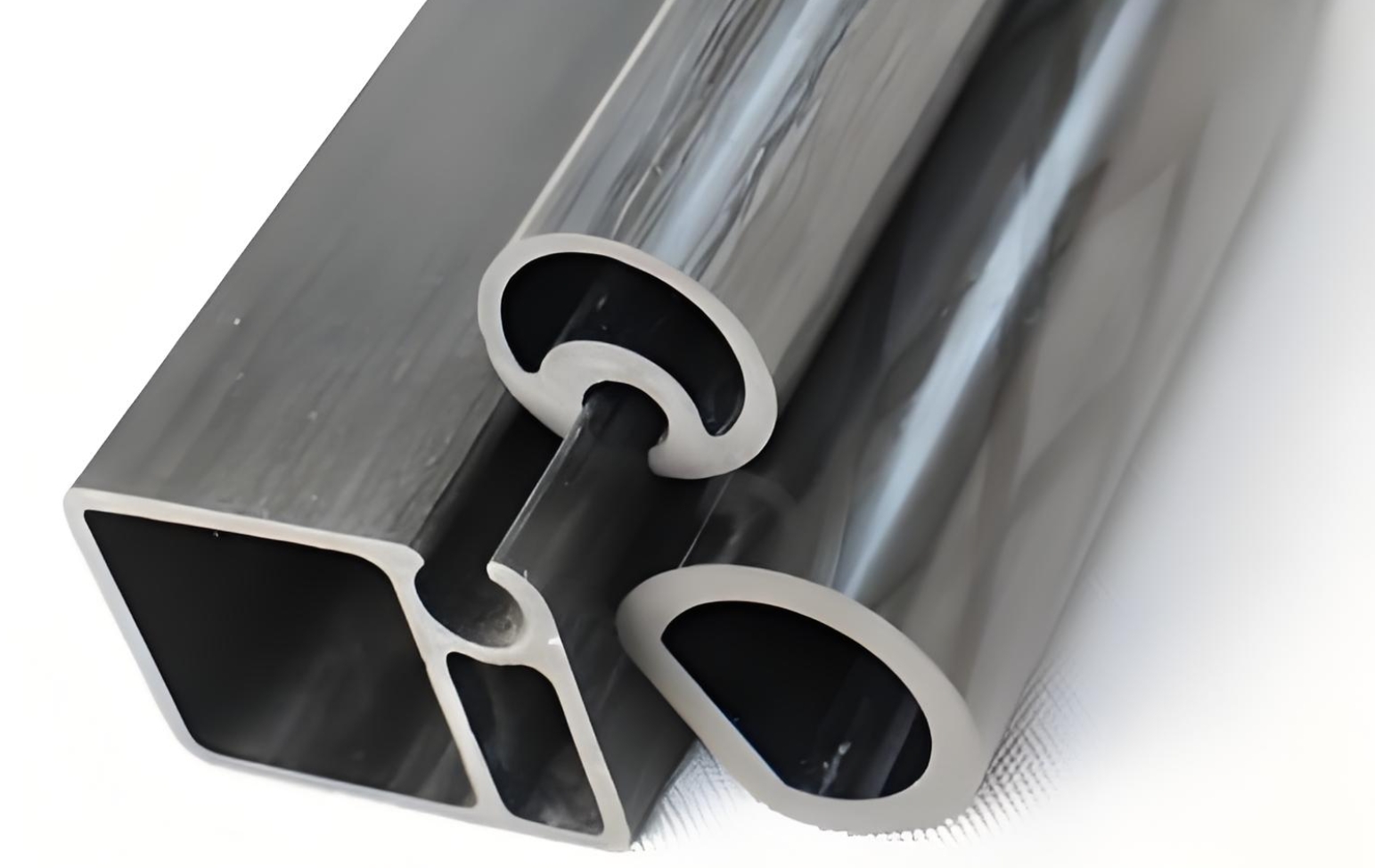
In marine construction, carbon fiber is increasingly utilized for hulls and decks due to its strength and lightweight characteristics. Products like the Special Section Pultruded Carbon Fiber Rod are essential for providing the necessary support for large marine structures.
Enhancing Masts and Rigging
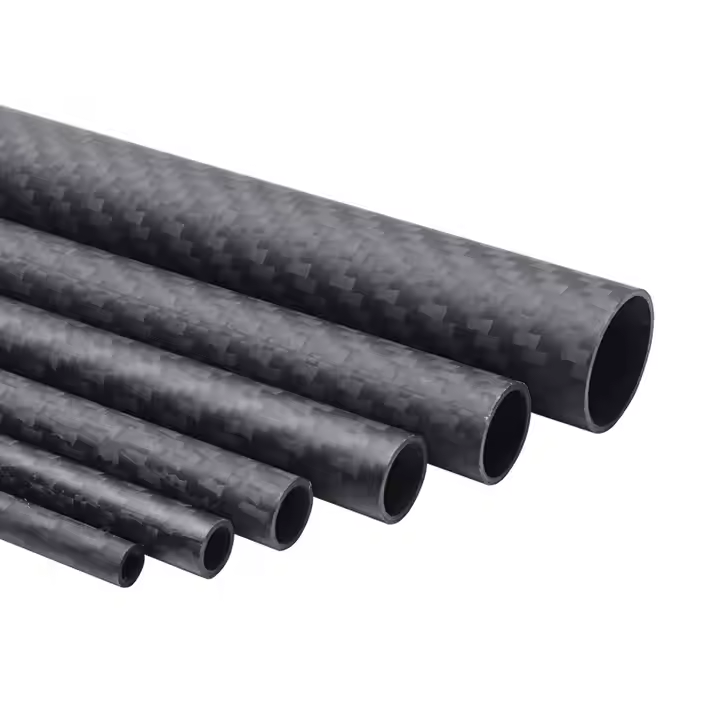
Carbon fiber masts and rigging improve sailboat performance by adding stiffness and reducing weight, which results in faster speeds and enhanced maneuverability. The Customized Round CFRP Carbon Fiber Tube is specifically designed for these applications.
Interior Design Components
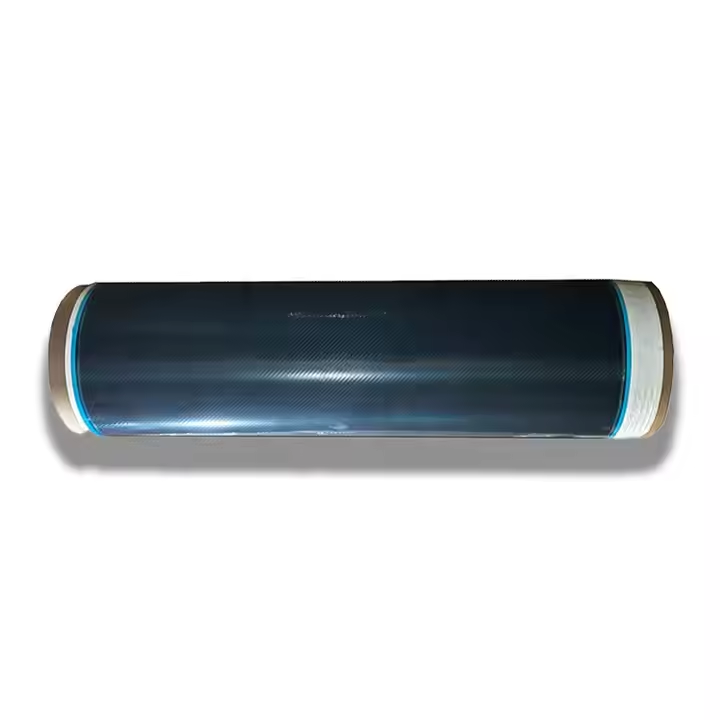
Carbon fiber’s aesthetic appeal and strength are ideal for interior components like seating and cabinetry. It supports luxurious designs without adding unnecessary weight. The 3K Twill Carbon Fiber Fabric ensures a high-end finish with robust durability.
Featured Carbon Fiber Products for Marine Use
Explore top-rated carbon fiber products from Impact Materials, trusted by manufacturers across more than 120 countries.
Procurement Strategy for Sourcing Carbon Fiber
Ensuring Quality Through Certifications
Quality assurance is critical when sourcing carbon fiber. Ensure that suppliers possess ISO 9001 certification to guarantee consistent quality and manufacturing standards. Always request a Certificate of Analysis (COA) to verify the properties of the materials.
Criteria for Selecting Suppliers
When evaluating potential suppliers, consider those with a proven track record like Impact Materials, which has completed over 3,200 successful projects globally. Look for production capacity, customization capabilities, and logistics support as key selection criteria.
- ISO 9001 Certification
- COA Verification
- Global Shipping Capability
- Customization Services
Considerations for Logistics and Delivery
Understanding lead times and minimum order quantities (MOQ) is essential for effective planning. Strike a balance between optimizing order sizes and minimizing lead times to ensure timely project completion. Identifying a reliable carbon fiber for marine supplier is crucial to maintaining the supply chain’s efficiency.
For further insights into enhancing procurement strategies with carbon fiber solutions, visit Impact Materials for carbon fiber for marine solutions.